Canna Studio Is Quietly Rewriting What a Cannabis Social Space Can Look Like in Cape Town
Cape Town has always had a knack for taking unlikely buildings and turning them into places that matter. Warehouses become galleries, derelict hotels become dining institutions, and now a restored Victorian pile on Long Street has become what is probably the city's most serious attempt at a cannabis social club. Canna Studio opened at 309 Long Street in early 2023, and it is doing something the South African cannabis industry has struggled to pull off: creating a members-only lounge that treats the plant, and the people consuming it, with genuine respect.
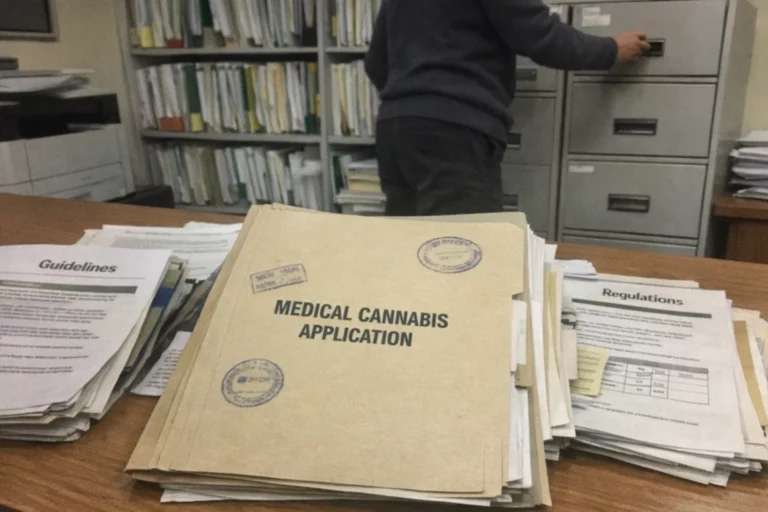
The venue exists in the grey space created by the Constitutional Court's landmark 2018 ruling, which decriminalised the private cultivation and consumption of cannabis by adults. That ruling was later given partial legislative form through the Cannabis for Private Purposes Act, but it never produced a clear framework for social consumption venues. Inspectors still argue about what "private" actually means when you put sixty strangers in a room together, and no national licensing regime for consumption lounges exists yet. Entrepreneurs have read that regulatory silence as a conditional invitation. Canna Studio is arguably the most considered response Cape Town has produced so far, which is saying something given how quickly the city's cannabis scene has moved.
Rather than operating as a retail outlet, which would expose it to prosecution, the club uses a contractual mechanism. Visitors sign in as "temporary members," hand over their ID number for age verification, and enter a space where cannabis moves through a "suggested donation" model rather than direct sale. No money changes hands on site for cannabis itself. Members gift product to other verified adults, a structure the owners compare to a wine-tasting guild. Regulators have, according to the source publication, so far maintained a politely watchful distance. The minimum age is set at 21 rather than the statutory 18, a deliberate choice to keep the atmosphere a little older and considerably calmer than a Long Street student bar.
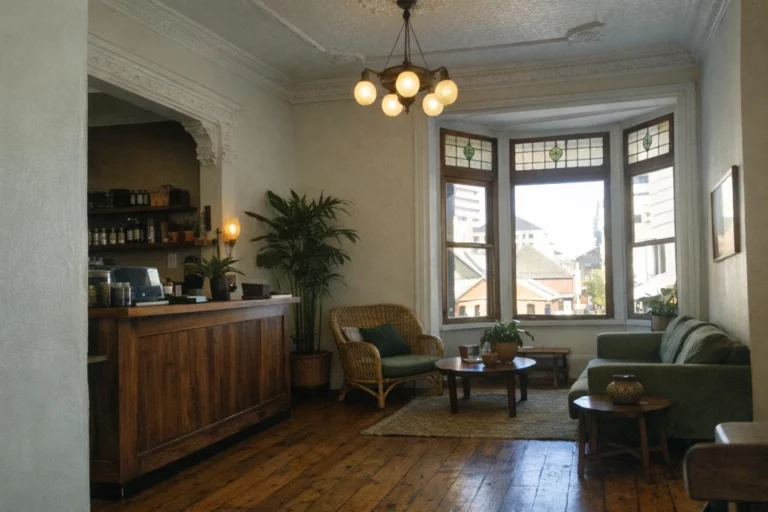
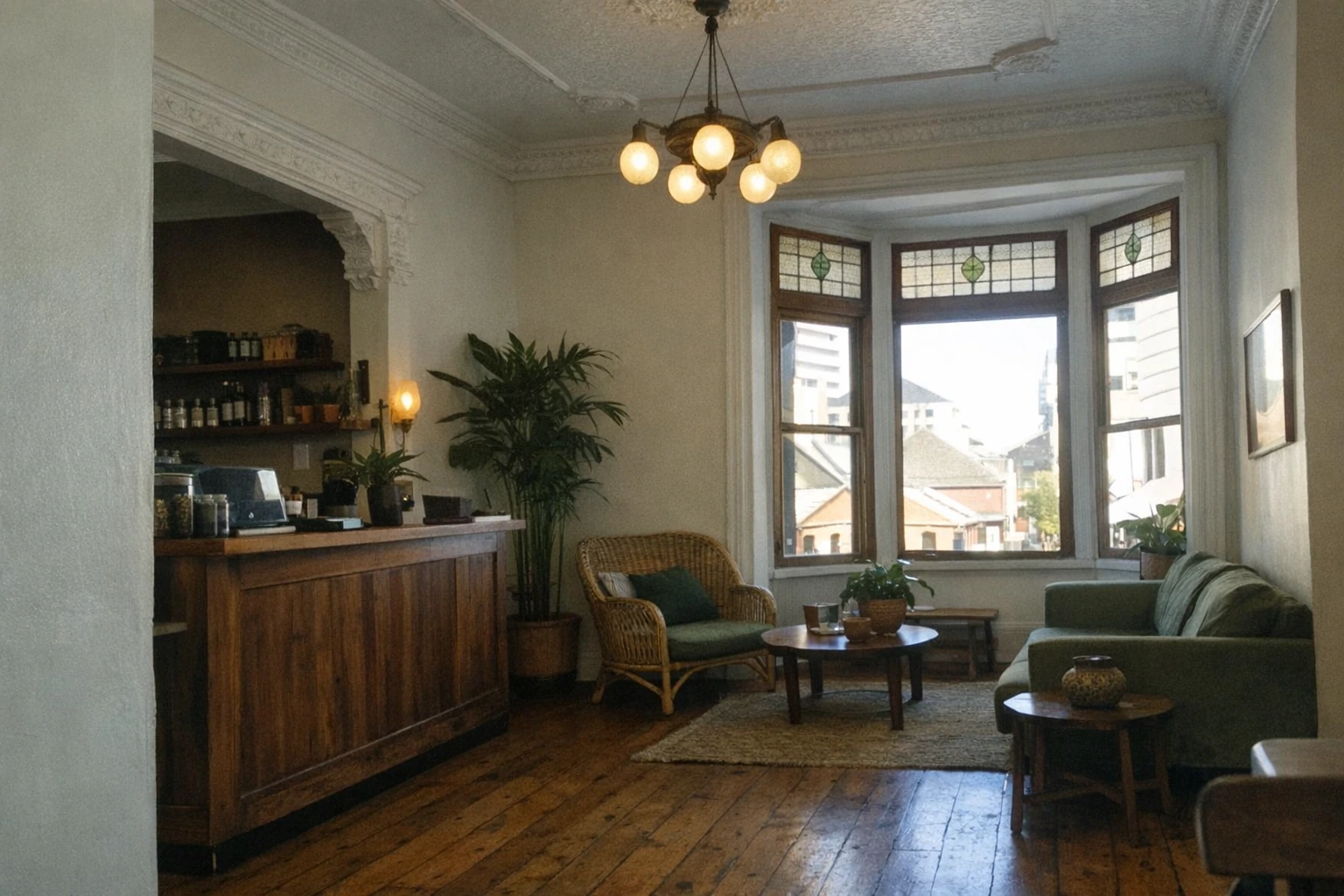
The building is doing its share of the work. Original yellowwood beams, cast-iron railings, and pressed-ceiling panels survived two fires and a demolition threat in the 1980s, and the designers chose to spotlight those marks rather than cover them. Edison bulbs hang above century-old teak. A graffiti mural wraps one wall in broad psychedelic curves. The spatial layout is carefully thought through: "The Gallery," a corridor displaying rotating cannabis-positive artwork by local artists, acts as a kind of decompression chamber between Long Street's harsh afternoon glare and the club's earth-toned interior. "The Commons" is anchored by low Japanese kotatsu tables, with music capped at 75 decibels so that actual conversation remains possible. "The Courtyard" features a living wall of indigenous fynbos fed by harvested rainwater, and a slate fountain the studio claims can drop a visitor's heart rate within minutes. Upstairs, a double-decker balcony gives you Table Mountain to the left and the neon crawl of Long Street to the right, with adjustable glass louvres to manage the city's notorious south-easter. On a still evening, it is a genuinely lovely spot.
What sets Canna Studio apart from the wave of copy-cat venues that have followed is its investment in people and programming. The club runs micro-workshops, including a weekly "Terpenes and You" session explaining how aromatic compounds such as limonene may influence mood, and a discussion series called "Dagga and Democracy" that examines how apartheid-era policing continues to shape arrest statistics along racial lines. Staff include ex-chefs capable of pairing cultivars with locally sourced ingredients, DJs who apparently curate sets around the average resting heart rate following a mild dose, and what the studio describes as "integration guides" trained to support first-time users through anxiety. The membership roll has crossed 4,000 people, though nightly capacity is capped at sixty.
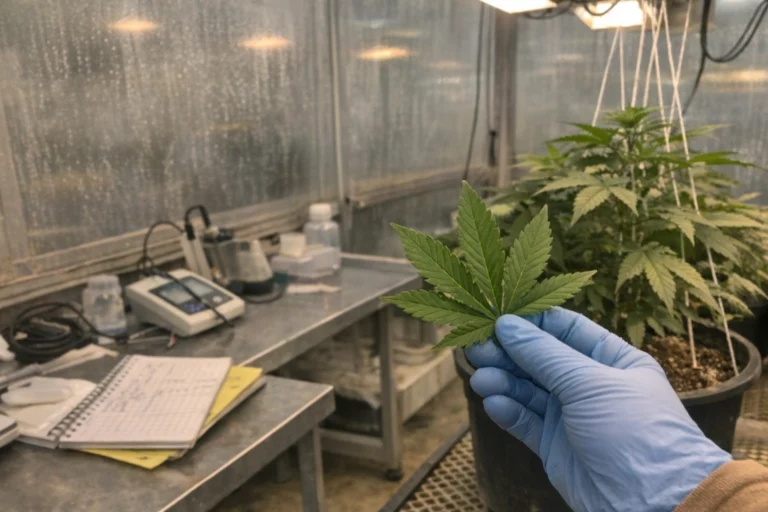
The educational commitment extends to product transparency, at least in aspiration. All flower on the premises arrives in child-proof, UV-blocking jars labelled with QR codes linking to third-party laboratory results. The studio openly acknowledges a significant structural problem here, though: only two certified testing laboratories currently operate in the entire Western Cape, creating backlogs of up to a month. That gap sits well beyond Canna Studio's ability to fix on its own. It reflects a broader failure in South Africa's cannabis regulatory architecture, where the South African Health Products Regulatory Authority (SAHPRA) has jurisdiction over medicinal cannabis products but no equivalent body yet oversees recreational or social consumption standards with any real enforcement capacity. Until that changes, even the most conscientious operators are building on sand.
The studio has also developed what it calls "exit kits": discreet booklets reminding guests that South African law still permits police to arrest drivers with more than 2 ng/ml of THC per litre of blood, accompanied by rideshare discount codes. It is a small detail, but a telling one. Harm reduction is woven into the hospitality model rather than bolted on as an afterthought, and the owners have stated publicly that they hope the approach will inform national regulation when Parliament eventually gets around to legislating on the matter. Whether that happens before or after the culture simply outpaces the law is another question entirely.
For patients, cannabis consumers, and operators across South Africa, Canna Studio is worth watching not primarily as a lifestyle destination but as a regulatory test case. The question of how consumption lounges should be licensed, inspected, and taxed remains entirely unresolved. Cape Town's creative class will not wait indefinitely for Parliament to catch up, just now or otherwise. What Long Street's most discussed new address demonstrates is that demand for thoughtful, safe social cannabis spaces already exists, that a workable operating model can be assembled from available legal materials, and that the distance between where South African law currently sits and where the culture has already arrived is widening a little more every month.
About the Author