
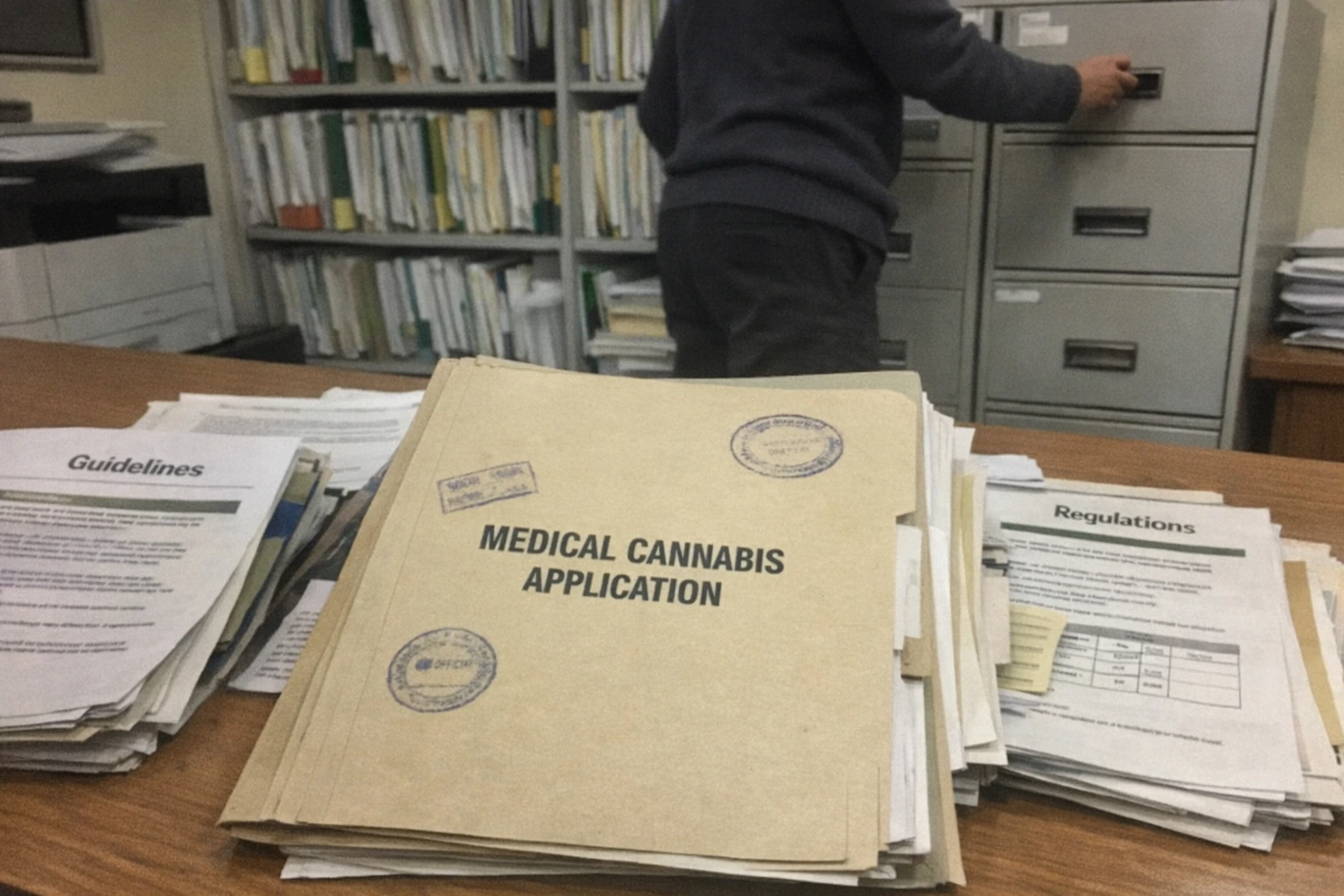
Medical Cannabis Access Stays Tightly Controlled While the Global Reform Debate Heats Up
Cannabis policy reform is moving fast across Europe and Africa, and the gap between what the public thinks is legal and what actually is has never been wider. For South African patients, diaspora communities, and the policymakers keeping an eye on global trends, understanding how different regulatory models work in practice matters more now than it did even two or three years ago. A recent analysis published by Morocco World News, written for North African communities with ties to the United Kingdom, offers a genuinely useful comparative lens through which to look at South Africa's own evolving framework.
According to Morocco World News, cannabis in the UK remains a Class B controlled substance under the Misuse of Drugs Act 1971. Possession, distribution, and production outside authorised medical contexts are still criminal offences, full stop. The pivotal shift came in November 2018, the same year South Africa's Constitutional Court decriminalised the private use and cultivation of cannabis for adults, when the UK reclassified cannabis-based medicinal products to allow prescription use under specialist supervision. The UK's position in 2026 is therefore a two-track system: strict prohibition for recreational use sitting alongside a tightly regulated medical access pathway.
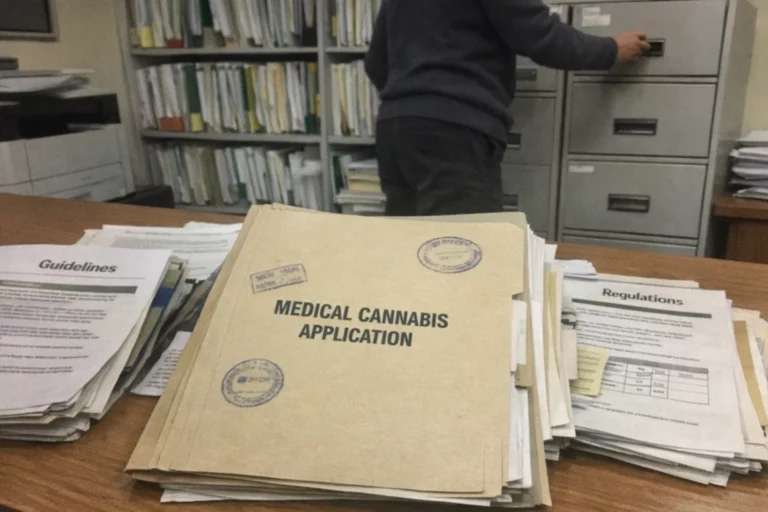
What makes the UK model distinctive, and instructive for South African audiences, is just how narrow that medical pathway actually remains. Patients cannot walk into a GP's office or pick anything up over the counter. They must carry a diagnosed condition, show that conventional treatments have failed, and secure approval from a specialist listed on the General Medical Council's register. In practice, most prescriptions are issued through private clinics rather than the National Health Service, which continues to prescribe cannabis-based medicines in comparatively small numbers. This positions medical cannabis as a last-resort therapy rather than a frontline option, a framing that will feel very familiar to South Africans who have been watching SAHPRA's own cautious approach to scheduling cannabis-derived medicines.
South Africa's regulatory journey has followed a different but equally complicated path. The Constitutional Court's 2018 ruling in the Prince case decriminalised private cannabis use and cultivation for adults, but it did not legalise commercial supply or public use. The Cannabis for Private Purposes Act, signed into law in 2024, gave legislative form to the court's order but left significant grey areas intact, particularly around what counts as "private" use and how law enforcement should respond. SAHPRA, the country's medicines regulator, has meanwhile been developing frameworks for cannabis-derived pharmaceutical products, hemp food products, and the broader medicinal cannabis sector. Yet access to prescribed cannabis medicines locally remains limited, costly, and largely confined to private healthcare channels. That mirrors the access inequalities already visible in the UK system, and it is worth naming that plainly.
The Morocco World News piece also highlights an important enforcement development in the UK: new national guidance instructs police officers to treat individuals as "patients first" when there is evidence of a valid prescription, rather than defaulting to an assumption of criminal intent. This came after years of inconsistency in which legally prescribed patients were still being stopped and questioned. South Africa faces a comparable challenge. Even after the Constitutional Court ruling and the subsequent Act, reports of police harassment of people in lawful possession of cannabis have continued, pointing to a persistent gap between what the statute says and what happens on the ground. Standardised training and clear operational guidance for South African Police Service members remain outstanding priorities, and the matter is unlikely to sort itself out without deliberate institutional effort.
The analysis further distinguishes between medical cannabis and CBD wellness products, a distinction that gets blurred constantly in both the UK and South African consumer markets. In the UK, CBD products are widely available provided they contain very low THC levels and meet regulatory requirements, but they are sold as supplements, not medicines, and they carry no clinical claims. In South Africa, SAHPRA issued complementary medicine guidelines that allow certain low-THC hemp-derived CBD products to be sold without a prescription, but the regulatory boundary between a wellness supplement and an actual medicine remains a source of ongoing confusion for retailers, consumers, and enforcement agencies. The Morocco World News piece correctly identifies this as a systemic misunderstanding: availability does not imply equivalence, and neither CBD products nor recreational tolerance translate into a legalised medical system. Shoppers browsing health-store shelves for CBD oil are not, in any meaningful regulatory sense, accessing medical cannabis.
From an African regional perspective, the contrast between the UK model and the direction of travel elsewhere on the continent is striking. Morocco, relevant to the article's intended audience, legalised cannabis cultivation for industrial, medical, and cosmetic purposes in 2021, though personal use remains criminalised. Zimbabwe became the first African country to licence commercial cannabis cultivation in 2018. South Africa's Master Plan for the Cannabis and Hemp Industry, developed under the Department of Agriculture, Land Reform and Rural Development, envisions the country as a significant player in the global cannabis export market, with industry estimates suggesting the legal market could be worth billions of rands over the next decade. The regulatory architecture needed to support that ambition, spanning cultivation licensing, product standards, export permits, and patient access pathways, is still being assembled piece by piece, which is both an honest reflection of where things stand and something of an understatement.
For South African patients, operators, and policymakers, the key lesson from the UK experience is that legal reform, even when genuinely progressive, does not automatically translate into accessible or equitable healthcare. Access barriers such as cost, specialist availability, and the geographic spread of clinics can reproduce the inequalities of prohibition inside a formally legalised framework. Readers and stakeholders should watch closely as SAHPRA finalises its cannabis product scheduling reviews, as Parliament considers further amendments to the Cannabis for Private Purposes Act, and as the Master Plan moves from consultation documents into enforceable licencing regulation. The international models, whether from the UK, Germany's recent adult-use reforms, or Morocco's cultivation legalisation, each carry lessons worth studying. But none of them maps cleanly onto the South African context, which demands a framework built around local realities of access, equity, and public health.
About the Author



1 thought on “Medical Cannabis Access Stays Tightly Controlled While the Global Reform Debate Heats Up”