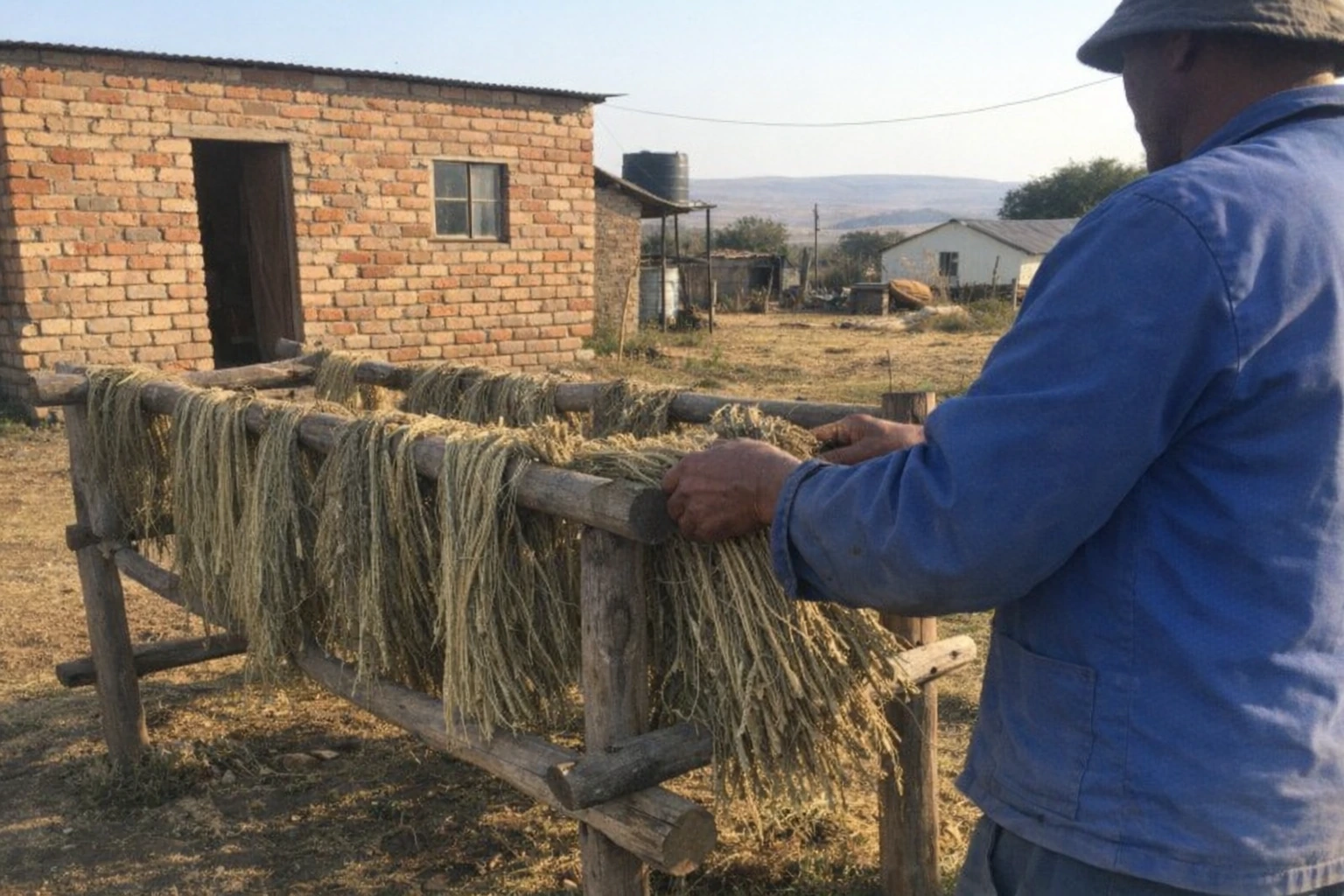
Eastern Cape Shows Hemp Can Be Processed Right Here, and Rural Jobs Could Follow in Their Thousands
One of the most stubborn barriers to South Africa's fledgling hemp sector has just been knocked down, and it happened in the Eastern Cape. Researchers, farmers, and textile entrepreneurs have shown, in practice, that hemp fibre can be processed using cotton machinery already sitting in the province. That means the infrastructure for a full hemp value chain, from seed through to finished fabric, is not some distant ambition. It is already within reach. For a region carrying some of the country's heaviest unemployment, that matters enormously.
The proof-of-concept was presented at a stakeholder engagement session held in Nelson Mandela Bay earlier this week, according to Times Live. Fabric produced from locally grown and locally processed hemp was displayed publicly for the first time, with clothing designed by the Koloni Hub Fashion Incubator in KuGompo City and manufactured by Time Clothing, a Nelson Mandela Bay-based producer. The garments are the first real, tangible output of what their backers describe as a fledgling but entirely realisable local value chain, one that could eventually supply premium European textile markets. Seeing the actual clothes on a rack, rather than a slide in a presentation, is a different thing altogether.
At the technical heart of this breakthrough is Raj Jagesar, founder of Ledile Textile and Fibre Processing. He told the session that sceptics had long insisted South Africa simply did not have the equipment to process hemp domestically. "We were told it could not be done using the equipment we have in SA, but we proved the doubters wrong," Jagesar said, according to Times Live. Ledile's target is the production of organic hemp fabric for suppliers servicing Europe's premium market, a sector where demand for sustainably sourced natural fibres has been climbing steadily over the past decade as the European Union continues tightening its environmental sourcing standards.
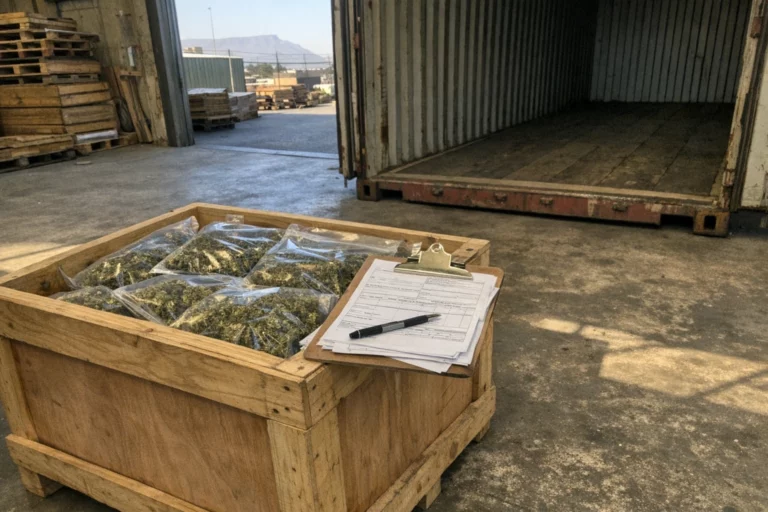
The market gap this development speaks to is striking. Duma Maquebela, Buffalo City branch manager of the Small Enterprise Development Finance Agency (Sedfa), confirmed that South Africa now has demonstrable capacity for the full value chain, from cultivation right through to the weaving of linen. Yet despite that latent capability, Archie Madumane, a Stutterheim farmer and member of the Eastern Cape Hemp Producer's Association, told the session that the sector has been essentially paralysed by the absence of buyers. "Having a market for hemp has the potential to unlock thousands of rural jobs, as 2,000 hemp growing permits have been issued, but there has been no market for the product," Madumane said, according to Times Live. He and fellow association members have been growing hemp successfully for some time now. They just cannot sell what they harvest. That gap between permitted cultivation and functional market access has been one of the defining frustrations of South Africa's post-legalisation cannabis and hemp landscape, and it is the kind of thing that quietly kills an industry before it gets going.
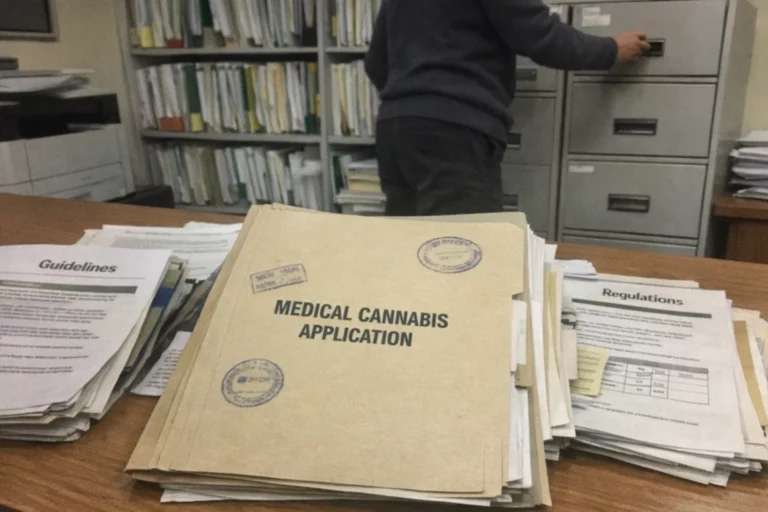
That regulatory landscape deserves some context. South Africa's Constitutional Court ruling in 2018 decriminalised the private use, possession, and cultivation of cannabis for adults, and the subsequent Cannabis for Private Purposes Act entrenched those protections. Commercial hemp cultivation falls under a separate framework governed by the Department of Agriculture, Land Reform and Rural Development, which is the body issuing the permits Madumane referenced. The South African Health Products Regulatory Authority (SAHPRA) governs cannabinoid extracts destined for medicinal or consumer health applications. Hemp grown for fibre and textile use sits in a different regulatory lane entirely, but the overall policy environment has been gradually becoming more enabling. Provincial governments, the Eastern Cape among them, have been actively backing hemp as a rural economic development instrument, which is at least pointing in the right direction.
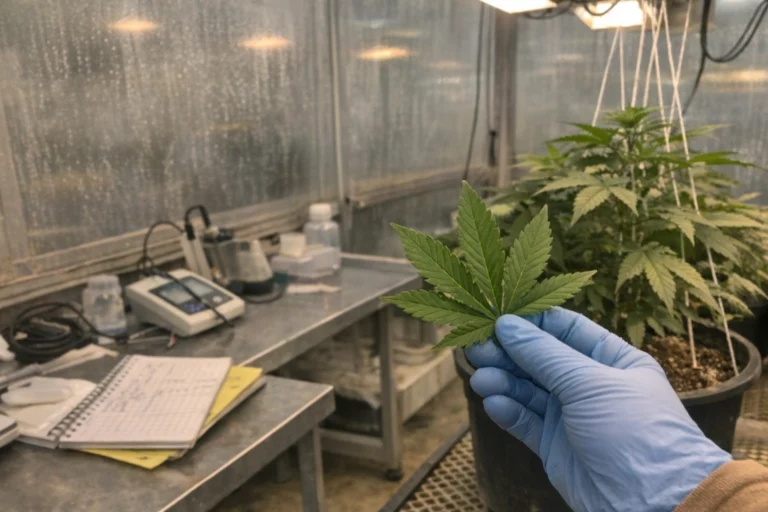
Dr Sunshine Blouw of the Eastern Cape Rural Development Agency (ECRDA) outlined the programme's next phase at the Nelson Mandela Bay session. Plans include establishing clusters of small to medium-scale farmers, supported by appropriate infrastructure, access to suitable seed varieties, and the technical assistance needed to scale production. Blouw also made a pointed call for sustained government support during the industry's formative years, noting that comparable agricultural sectors in other countries received state backing for at least three years to build farmer confidence and market credibility. "If we do that, we'll then build the necessary confidence with farmers so they can make money from this crop," he said, according to Times Live. Hemp's agronomic profile makes that case stronger: the crop reaches harvest in roughly three months before a flower forms, it suits both winter and summer planting, and it requires comparatively low inputs. Farmers already stretched by input costs and uncertain rainfall will appreciate that combination just now.
The scale of the opportunity cited at the session is not small. Blouw described hemp as a multibillion-rand market in South Africa, noting that the plant can yield more than 50,000 distinct products. Textiles, he argued, represent the "low-hanging fruit" of that broader market precisely because the processing technology, as now demonstrated in Nelson Mandela Bay, is already locally available. This stands in contrast to more complex downstream applications such as hempcrete construction materials, hemp-derived nutraceuticals, or cannabinoid extracts, all of which require more specialised facilities and their own regulatory pathways. The textile angle also fits neatly with South Africa's existing industrial base, given the historical presence of cotton processing infrastructure across parts of the Eastern Cape. The machinery is sorted. The question is whether the market will be sorted too.
What the sector needs next is investment certainty and a structured offtake framework that connects the 2,000 permit holders to processors like Ledile at meaningful scale. Stakeholders and policymakers would do well to watch whether the ECRDA's proposed farmer cluster model attracts formal funding commitments from provincial or national government in the months ahead, and whether Ledile secures the European supply agreements it is targeting. If those pieces fall into place, the Eastern Cape hemp industry could shift from proof-of-concept to a functioning rural economy within a relatively short time frame. But only if the market access problem that has frustrated farmers for years is addressed in a systematic, coordinated way, rather than left to individual entrepreneurs to solve on their own.
About the Author