Whole-Plant Cannabis Extract Beats Pure THC in Metabolic Study, Suggesting Benefits Go Well Beyond the High
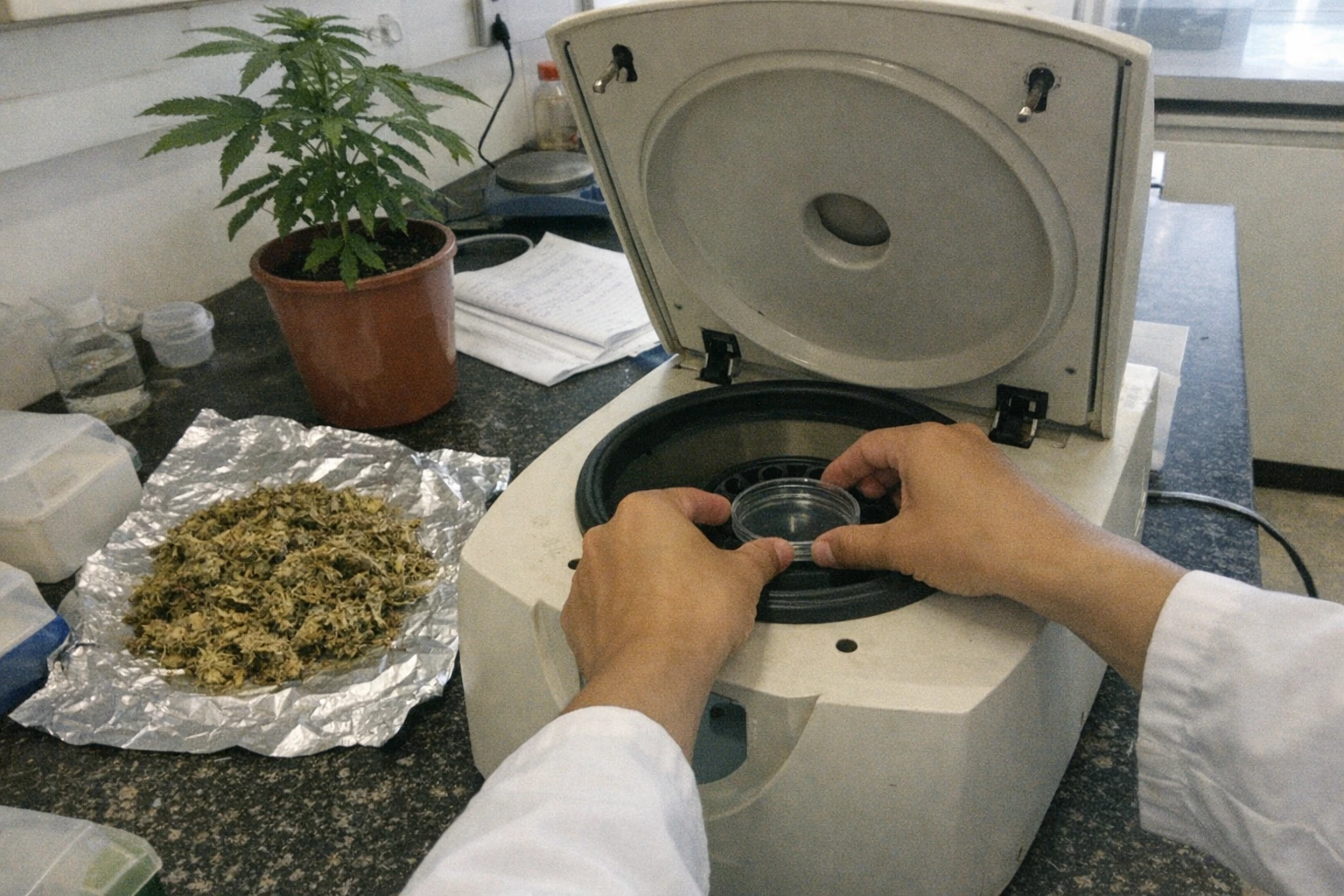
A preclinical study published in The Journal of Physiology has found that a whole-plant cannabis extract reverses key markers of type 2 diabetes in obese mice, while pure delta-9 tetrahydrocannabinol (THC) at equivalent doses does not. That finding adds real scientific weight to what population-level data has long hinted at regarding cannabis consumers and metabolic health. For South African patients, researchers, and the growing number of licensed cannabis operators keeping a close eye on the local therapeutic market, the results raise pointed questions about how cannabis medicines are formulated and, just as importantly, how they are regulated.
The paradox sitting at the centre of this research is one scientists have puzzled over for years. Cannabis is almost universally associated with increased appetite, the so-called "munchies", yet population studies consistently show that regular cannabis consumers tend to carry lower body weight and face a reduced incidence of type 2 diabetes compared with non-users. The University of California, Riverside team led by Professor Nicholas V. DiPatrizio, who directs the UCR Center for Cannabinoid Research, set out to investigate whether the plant's own chemistry could explain this apparent contradiction.
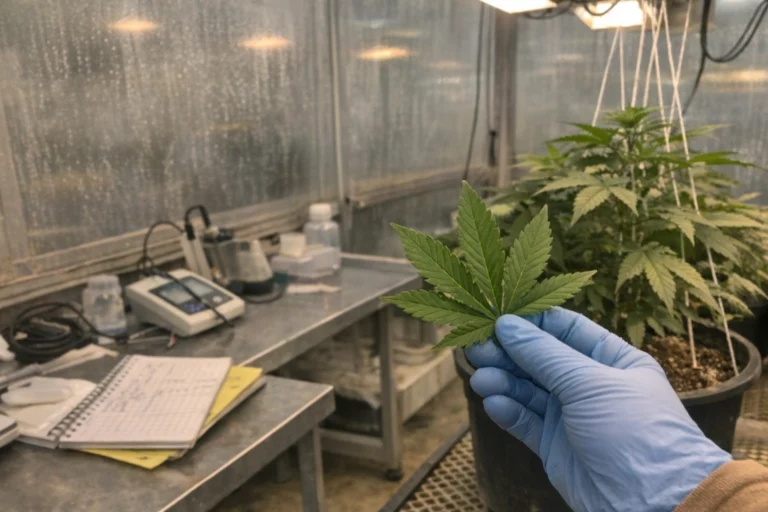
Working with a mouse model designed to mimic human dietary patterns, the researchers compared the effects of pure THC against a whole-plant cannabis extract containing the same level of THC alongside other naturally occurring plant compounds. Both treatments produced significant weight loss in obese mice, which was itself a noteworthy result. The metabolic outcomes, however, diverged sharply from there. Mice receiving only pure THC showed no improvement in glucose regulation despite losing weight, continuing to display impaired glucose homeostasis, which is a core hallmark of type 2 diabetes. Mice treated with the whole cannabis extract, by contrast, not only shed weight but also experienced a measurable reversal of those same metabolic impairments. A fairly striking gap, all things considered.
"This suggests that THC alone is not responsible for the metabolic benefits associated with cannabis use," Prof DiPatrizio said. "Other compounds in the plant appear to play a critical role." The researchers identified a likely mechanism involving signalling between fat tissue and the pancreas. In healthy metabolic systems, fat cells release molecules that help regulate insulin secretion. In obesity and type 2 diabetes, that communication breaks down. The full cannabis extract appeared to restore the signalling pathway more effectively than isolated THC, allowing fat tissue to communicate with the pancreas and support more stable blood glucose regulation. Prof DiPatrizio's next phase of work will attempt to isolate the individual non-psychoactive compounds responsible, with the longer-term aim of developing targeted therapies that deliver metabolic benefits without THC's intoxicating effects.
The researchers are careful to frame their findings conservatively. "We are not suggesting people should use cannabis to manage weight or diabetes," Prof DiPatrizio stated, underlining that further preclinical and human studies are necessary before any clinical conclusions can be drawn. That caution is appropriate, but the direction of the research carries significant implications for how whole-plant versus isolated-compound cannabis medicines are evaluated. That debate is very much alive in South Africa's regulatory environment right now.
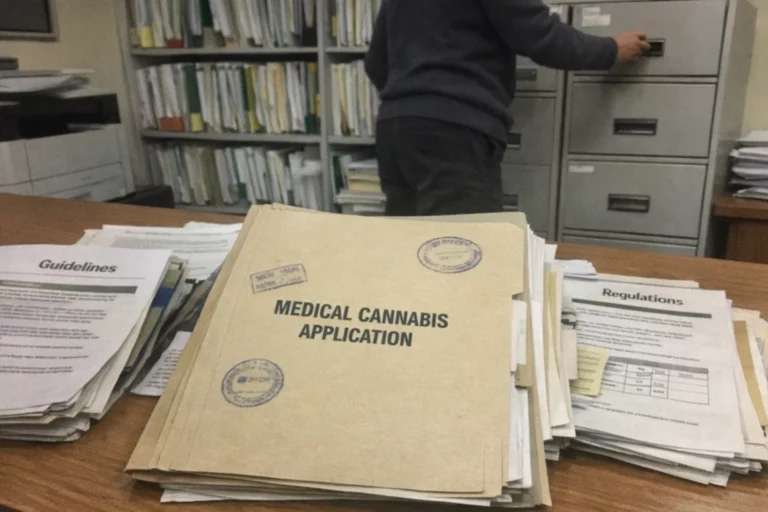
In South Africa, the South African Health Products Regulatory Authority (SAHPRA) governs all cannabis-derived medicines, and its framework has historically centred on isolated or well-characterised compounds, following international pharmaceutical norms. The country's only widely approved cannabis-derived medicine remains cannabidiol (CBD)-based products meeting the requirements of Schedule 4 of the Medicines Act, with a complementary medicines pathway that opened for applications in 2021. Whole-plant extracts occupy a more complicated regulatory position, often requiring full clinical dossiers that small operators and researchers struggle to compile. The Constitutional Court's landmark 2018 ruling decriminalised private cannabis use for adults, and the Cannabis for Private Purposes Act, signed into law in 2024, extended that framework further. Therapeutic use, though, remains squarely under SAHPRA's remit and is entirely distinct from personal use provisions.
For the local medical cannabis industry, which has invested heavily in cultivation and extraction infrastructure following the amendment of Schedule 7 regulations to allow licensed production, the UCR findings add to a growing body of evidence that the entourage effect, the idea that cannabis compounds work better together than in isolation, has genuine biochemical grounding. South African producers have frequently argued that whole-plant and broad-spectrum products deserve a more accessible regulatory pathway, and studies of this kind will only strengthen that position over time. Africa's cannabis market is projected to grow substantially across the next decade, with South Africa positioned as both a cultivation hub for export and an emerging domestic medical market. That makes the scientific and regulatory frameworks shaping product formulation increasingly consequential for everyone from smallholder farmers in Elandskloof to large-scale extraction facilities outside Johannesburg.
What clinicians, researchers, and operators should watch next is whether findings like these accelerate any SAHPRA review of how whole-plant extract submissions are evaluated, and whether international regulators in key export markets, the European Union chief among them, move to distinguish more formally between isolated and full-spectrum products in their own approval frameworks. Prof DiPatrizio's invitation to policymakers to "stay tuned and pay attention to this space" is one that South Africa's cannabis sector would do well to take seriously. The science of what the whole plant actually does keeps outpacing the regulatory categories designed to contain it, and now-now those categories may need to catch up.
About the Author