South Africa's Cannabis Economy: R28bn on the Table, and Nobody Can Agree What's in the Pot
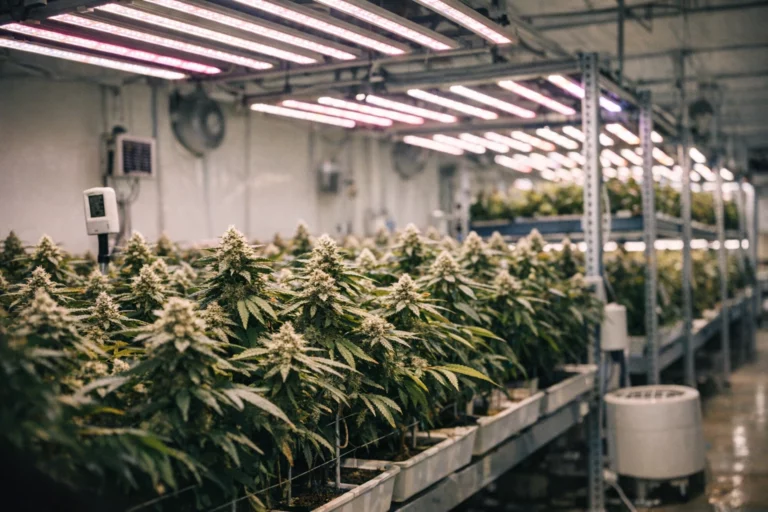
South Africa's cannabis sector has grown into one of the continent's most substantial illicit and semi-formal markets, yet Parliament is struggling to regulate an industry it cannot accurately measure. Figures presented to the Portfolio Committee on Trade, Industry and Competition last month ranged from R5.5 billion to R28 billion, depending on who was speaking and what they were counting. That discrepancy reveals just how much ground the country's National Cannabis Master Plan still has to cover before meaningful regulation becomes possible.
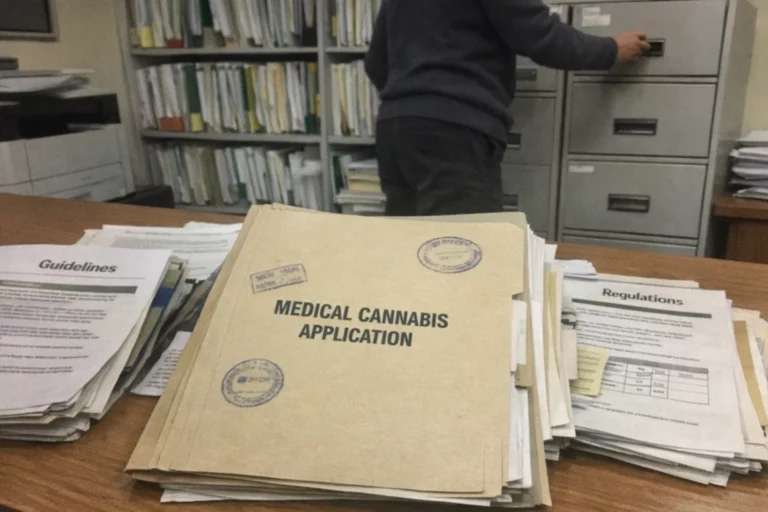
The wide spread in estimates emerged during a parliamentary session convened to advance the Master Plan, a policy framework designed to legitimise and regulate what the government itself acknowledges is a thriving but overwhelmingly underground market. Ncumisa Mcata-Mhlauli, chief director of agro-processing and forestry-based industries at the Department of Trade, Industry and Competition (DTIC), told the committee that government was targeting 10% annual growth from an estimated R14 billion base. In the same session she acknowledged the total market could be closer to R28 billion, with roughly half operating within the illicit economy, while the formal cannabis industry currently generates around R5.5 billion per year. Three separate figures, all offered by the same official in the same sitting. It is, to put it mildly, not a great look for a department trying to convince Parliament that it has a credible plan. The inconsistency underscores the fundamental measurement problem that has dogged cannabis policy since the Constitutional Court's landmark 2018 ruling decriminalised the private cultivation and use of cannabis by adults.
John Jeffery, project manager for the Hemp and Cannabis Master Plan, was candid with MPs about the regulatory confusion that has followed the 2018 ruling. "The legal situation is not desirable. It's quite confusing," he said. That ruling found that criminalising private cannabis use was an unjustifiable infringement of the right to privacy, opening significant space for personal cultivation and consumption, but stopping well short of creating a commercial framework. The Cannabis for Private Purposes Act, which followed years later, reinforced protections for private use without establishing licensing pathways for retail, processing, or export. Operators have been left to sort themselves out in an ambiguous legal environment largely on their own terms, which, predictably, many of them have done very well indeed.
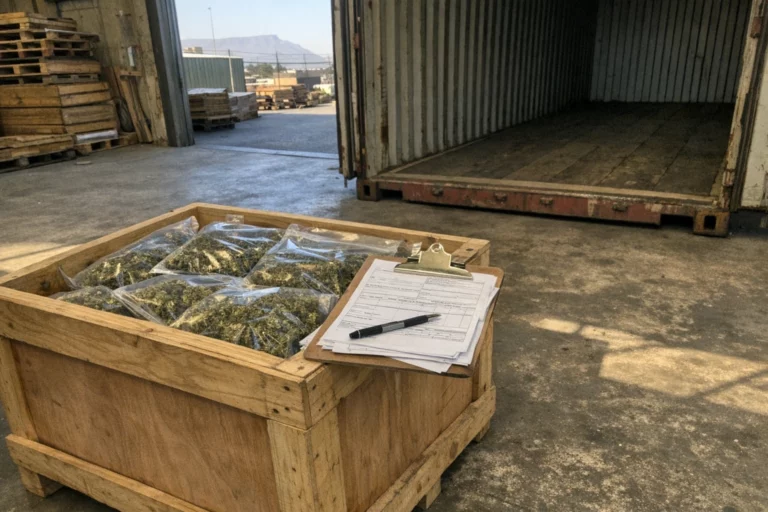
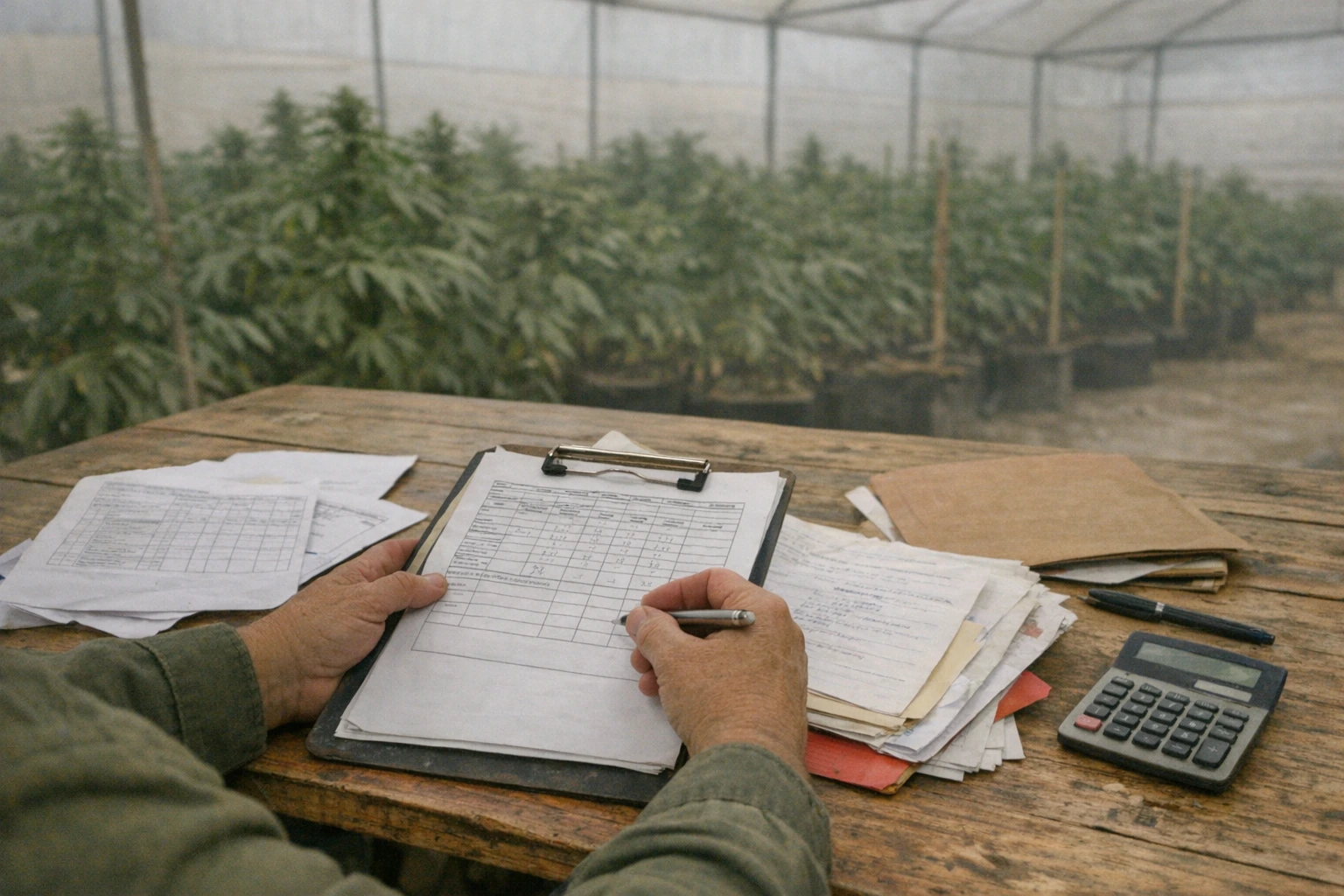
Charl Botha, a legal strategist and cannabis policy specialist who has participated in parliamentary briefings and regulatory submissions across the sector, argues that the measurement problem is not merely administrative. It has direct policy consequences. "When the numbers keep shifting depending on who is speaking, Parliament loses a shared point of reference," Botha said. "The scale of the opportunity, the urgency of reform, and the level of intervention required all become blurred." His own analysis, drawn from observed production, processing, and retail activity, puts the cannabis retail economy at approximately R9 billion to R10 billion annually, supported by roughly 550 tonnes of flower moving through an estimated 8,500 stores and 2,500 clubs operating on a daily basis, regardless of their legal standing. The gap between Botha's retail-focused estimate and the government's R28 billion headline figure likely reflects differences in methodology, scope, and the degree to which upstream cultivation and processing are included in the count.
What is not in dispute is that a settled, functioning market already exists. South Africa has a retail network embedded across its cities, towns, and rural supply chains, with individual businesses reportedly turning over anywhere from R100,000 a month to R100,000 a day, according to Botha's analysis. Product diversity is considerable: flower accounts for the highest volume and the broadest consumer base, vapes command better margins particularly in urban markets, and edibles are expanding the addressable consumer pool while simultaneously introducing dosing variability that complicates regulatory design. The market has not waited for legislation. It has simply grown around its absence, and any framework that eventually emerges will need to accommodate the reality of what is already operating on the ground, rather than assume it can start from scratch.
One of the more revealing features of the current grey market is the way some retail operators have sought legal cover through Section 21 of the Medicines and Related Substances Act, which allows doctors to apply to the South African Health Products Regulatory Authority (SAHPRA) for special permission to access unregistered medicines, including cannabis, for individual patients. Certain outlets have stretched this provision to function as a de facto retail licence, despite Section 21 authorisations being patient-specific, requiring a registered medical practitioner, and carrying no provision whatsoever for open commercial retail. SAHPRA has not moved aggressively to close this interpretation down, which has allowed a class of businesses to operate in a space that is neither clearly legal nor clearly prohibited. It is the kind of regulatory grey zone that tends to suit incumbents just fine, right up until the moment it doesn't.
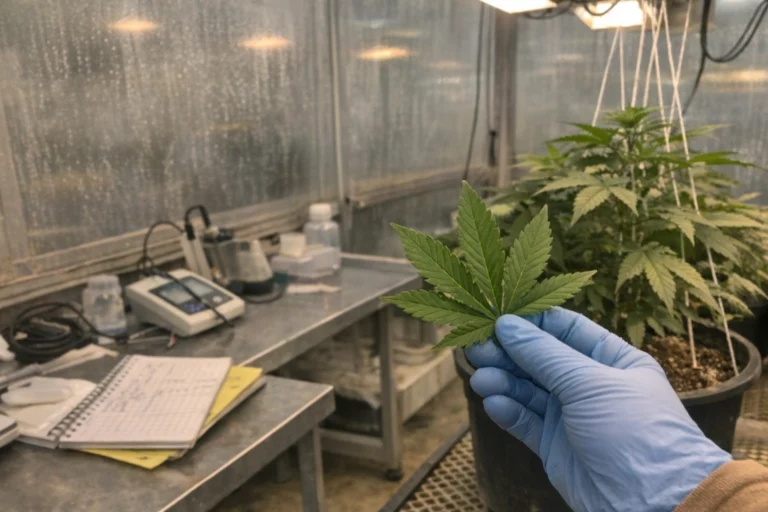
The long-term economic stakes are substantial. A Local and Spatial Futures industrialisation study, published in March 2026 in partnership with the Presidency, the Industrial Development Corporation, and the DTIC, estimates that the domestic hemp industry alone could grow from R7.3 billion in 2025 to R40.4 billion by 2040, but only if coordinated policy support is actually delivered. That caveat matters enormously. Countries such as Germany, which implemented regulated adult-use frameworks in 2024, and several East African jurisdictions that have moved to licence cannabis cultivation for export, illustrate that first-mover advantage in regulated cannabis markets is real and time-limited. South Africa's combination of favourable climate, established cultivation knowledge concentrated particularly in regions such as the Eastern Cape and KwaZulu-Natal, and an existing distribution infrastructure positions it well, provided the regulatory architecture arrives before that window closes. Now-now would be better than later.
For operators, investors, and patients watching the National Cannabis Master Plan process, the immediate questions are whether the DTIC can produce a legislative framework that resolves the definitional chaos on display in Parliament, and whether SAHPRA will be given the mandate and resources to build a workable licensing and compliance system. The coming parliamentary term will be critical. Without settled legislation that creates legitimate pathways for cultivation licences, processing permits, and retail authorisation, the R28 billion market the government is keen to claim credit for will continue to function primarily outside the tax base, beyond consumer protection standards, and largely invisible to the formal economy.
About the Author