Cheeba Summit 2026 Brings Global Cannabis Capital to Johannesburg in May
The third annual Cheeba Cannabis and Hemp Summit returns to the Sandton Convention Centre on 29 May 2026, bringing together African and international policymakers, investors, and operators for what organisers are calling the continent's most significant cannabis business gathering. It runs alongside The Cannabis Expo, which pulls more than 25 000 visitors across three days, and the summit is explicitly designed to move the conversation past advocacy and into structured deal-making. For South Africa's still-maturing cannabis sector, the timing is worth noting: the country is working through an increasingly complex regulatory environment and is actively hunting the foreign capital and technical expertise that events like this one are built to attract.
Presented by the Cheeba Cannabis and Hemp Academy in strategic partnership with the Global Cannabis Network Collective, the 2026 edition carries the theme "Africa's gateway to the global cannabis economy," according to Food For Mzansi. That framing picks up on a broader continental shift, as governments from Zambia to Zimbabwe advance or refine regulatory frameworks covering medical cannabis, industrial hemp, and export-oriented cultivation. Organisers say the programme is explicitly built around translating those policy shifts into commercially viable opportunities, with more than 30 African and international speakers confirmed. "The aim is to create a space where policy meets capital, cultivation meets commerce and Africa meets the world," organisers said, as quoted by Food For Mzansi.
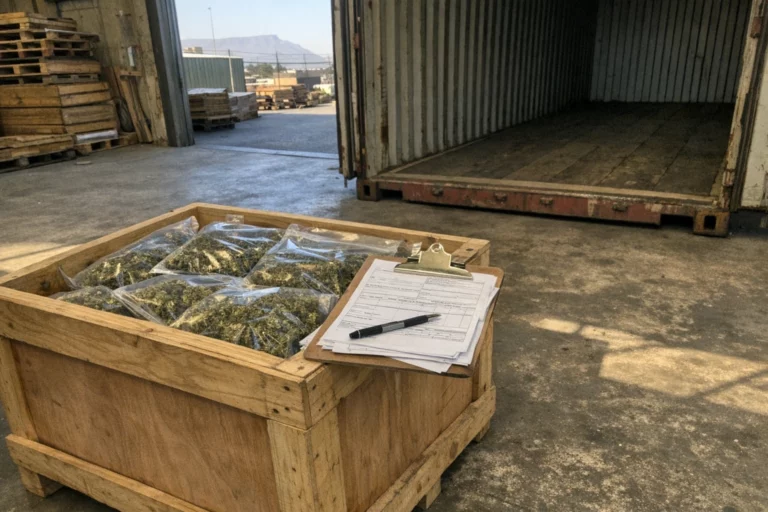
The summit's international architecture rests on alliances with the Global Cannabis Network Collective in the United States, Industrial Hemp International, and CannaTrade in Switzerland. These partnerships, according to Food For Mzansi, are meant to connect African projects with investors, operators, and technical expertise, while opening structured pathways for cross-border market entry. That emphasis on structure matters enormously in the South African context, where the Cannabis for Private Purposes Act and the Department of Trade, Industry and Competition's Cannabis and Hemp Master Plan have sketched out a commercialisation ambition but left operators dealing with considerable regulatory uncertainty in the meantime. The South African Health Products Regulatory Authority, SAHPRA, continues to licence medical cannabis cultivators, but the road from cultivation licence to signed export contract remains winding for most small and medium producers. Getting all of that sorted is, frankly, a long-term project.
South Africa's cannabis sector has its roots in the Constitutional Court's landmark 2018 judgment, which decriminalised the private cultivation and use of cannabis by adults. That ruling, in which Elder Ras Gareth Prince was a central litigant, did not conjure a commercial market overnight, but it opened the political space that has since produced the Master Plan and ongoing legislative work. Prince, now chairperson of the Cannabis Development Council of South Africa, is confirmed as a keynote speaker at the summit and is expected to address more than two decades of activism alongside the unfinished work of ensuring that historically marginalised communities are included in the formal cannabis economy, according to Food For Mzansi. His presence at a business-focused summit underlines the continuing tension in the sector between its rights-based origins and its growing commercial ambitions.
The speaker roster reflects the summit's stated aim to bridge local policy and global market intelligence. John Jeffery, project manager for the DTIC's Cannabis and Hemp Master Plan, will outline the government's commercialisation roadmap, giving delegates a direct line to current policy thinking. Beau Whitney, founder and chief economist at Whitney Economics, will present data-driven analysis of global cannabis markets, regulatory impacts, and investment trends. Gregg Steinberg, chief executive of Belushi's Farm in the United States, a cultivation and brand operation founded by actor Jim Belushi, will share experience in brand building and market expansion. Dr Siabula Sievu of Zambia will bring a regional perspective on integrating medicinal cannabis into public health systems, which is particularly relevant as neighbouring countries develop their own frameworks and potentially become both competitors and trading partners for South African operators.
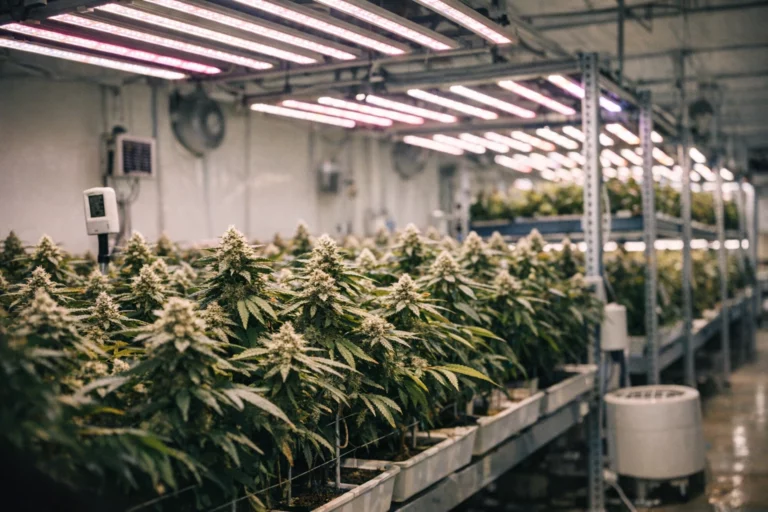
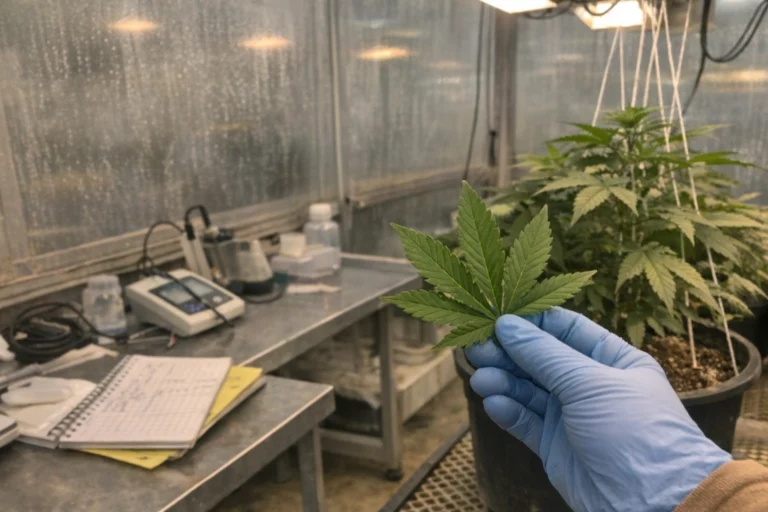
Beyond the main conference, the 2026 programme includes a pre-summit commercial cultivation training course and an industry immersion day that will take attendees to SAHPRA-licensed medical cannabis farms and a cannabis club, according to Food For Mzansi. That practical dimension reflects the academy's positioning as Africa's leading accredited cannabis education institution. The Cheeba Cannabis and Hemp Academy says it has trained licensed cultivators and advised projects across several African markets, and that the summit is an extension of its broader mission to professionalise the sector. For operators still working through compliance, supply chain development, and cultivation system design, that access to licensed facilities represents concrete learning value well beyond the conference floor.
South Africa's hemp and cannabis economy is frequently cited as one of the continent's most promising, given the country's established agricultural infrastructure, its proximity to European markets, and a domestic regulatory framework that, while incomplete, is further along than most African peers. Analysts at Whitney Economics have previously estimated the global legal cannabis market at well above 50 billion United States dollars, with African producers positioned to supply both medical-grade product and industrial hemp derivatives as European and other regulated markets expand. Realising that potential, though, requires exactly the kind of investor-producer-regulator alignment that the Cheeba Summit is designed to facilitate. It won't happen just now without deliberate institutional momentum.
Operators, investors, and cultivators watching South Africa's cannabis economy would do well to treat the summit as a useful barometer of where deal flow and policy confidence currently sit. The confirmed presence of a senior DTIC official alongside international market economists and regional health system advocates suggests the 2026 edition is attempting something more substantive than a networking function. Whether the momentum generated in Sandton translates into signed term sheets, new licence applications, or accelerated Master Plan implementation is the metric that will define the summit's real impact in the months that follow.
About the Author