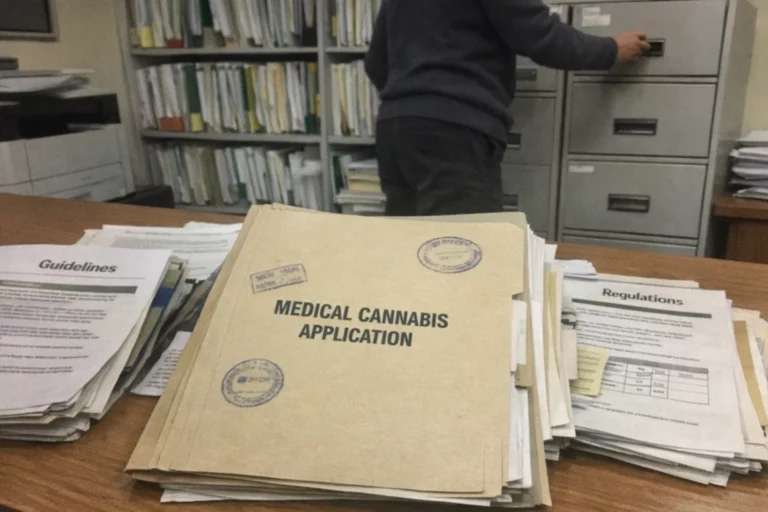
The two new centres recently set up in Bangkok will offer alternative cannabis-based medicine, which was made legal in 2018.
Hundreds of patients, including cancer patients, received free cannabis oil at a recently set up clinic based at the Ministry of Public Health in the capital. The first batches of this marijuana medicine will be used to treat various conditions such as migraines, insomnia, chronic pain, muscle stiffness and nausea.
Thailand has a rich history with the cannabis plant, using it to relieve pain and fatigue in the past. They now have plans on opening 70 different cannabis clinics across the country, according to the public health minister. Anutin Charnvirakul said the clinic at his department is just the first, and a way of testing the waters. At the moment the issue may be that Thailand “cannot produce enough doctors with expertise in cannabisâ€.
Roughly 25 cannabis clinics are already functioning but are only open part-time due to a lack of specialised staff.
The country used to have heavy and harsh drug laws, but legalised medical cannabis and research on this plant in 2018. One of the main intentions behind this was to boost the economy through agriculture. The cultivation, production and selling of cannabis are limited to licensed producers for the next four years, to protect and grow the local industry.
At the moment, it is only hospitals and research facilities that are able to even apply for production and extraction licenses. However, the regulations are under review by the government to allow local Thai business to apply for licenses too. The largest producer of medical cannabis is currently the health ministry’s Government Pharmaceutical Organisation.
Last November, the NHS got the green light for two medicines with a cannabis base, to be used to treat severe childhood epilepsy and the complications that come with multiple sclerosis. This is the first time that a cannabis-based treatment has obtained approval from the NHS for routine use.
About the Author