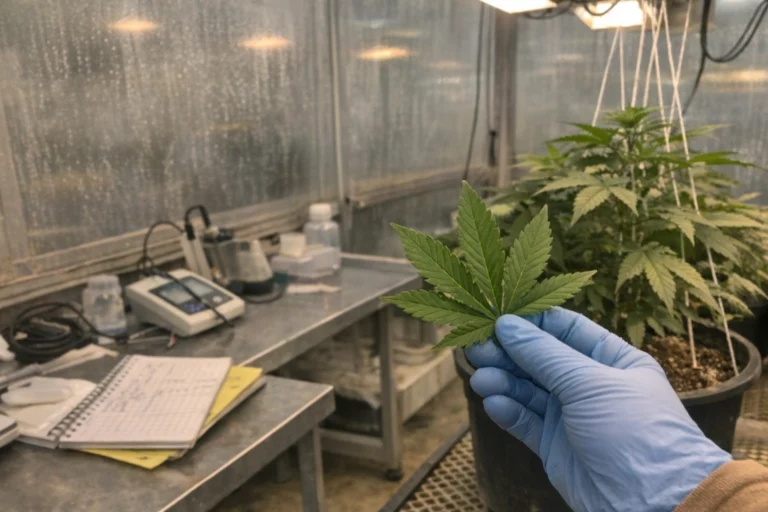
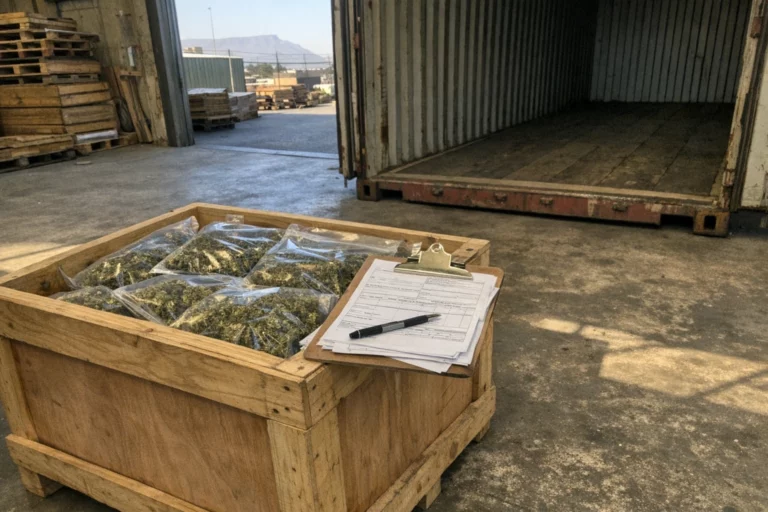
Malawi has, like a number of other southern African countries, opened their arms to cannabis. They have recently legalised the growing, selling and export of the plant. But unlike South Africa, they haven’t quite given as much leniency when it comes to personal consumption.Â
The latest laws from Malawi allow for the use of cannabis for medicine and hemp fibres. All this will be used for clothing, paper, biofuel and much more.Â
Historically, the African country has relied heavily on the trade of tobacco. However, legal cannabis could soon supplement this and give a bigger boost to their economy. Surrounding countries like Zambia, Lesotho and Zimbabwe have all taken a more relaxed stance on the growing of cannabis.Â
Many still have their doubts when it comes to cannabis, still under the impression that the plant will be a danger to the population and the young in particular. This may be seen in the country’s hesitancy to legalise personal consumption, but are turning to the plant for industrial purposes.Â
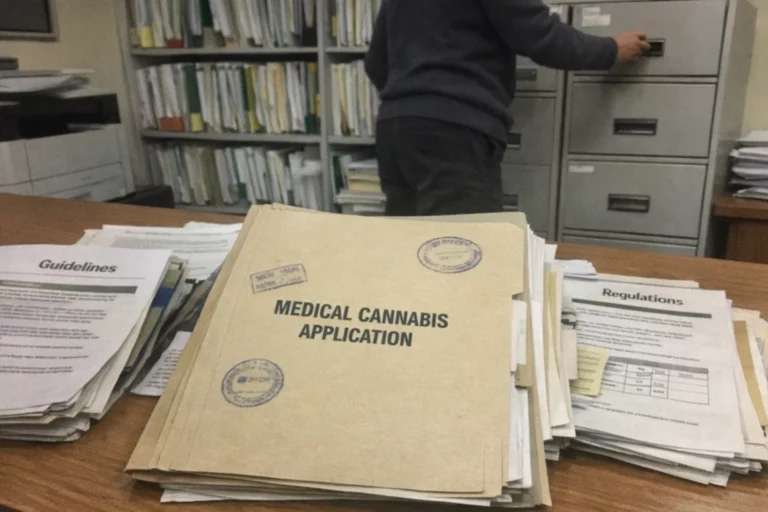
You look at places like Zimbabwe or Jamaica where the government is playing more of a role by helping local farmers enter the market. They’ve offered licenses to individuals and companies who are showing interest in growing the plant. However, these licenses aren’t cheap and are unfortunately just the starting point of the expenses.Â
The list of expenses just carries on and on. Factors such as annual return fees, license renewals, licenses for cannabis research, export or import licenses and inspection licenses are all to be added, if applicable, at a later stage. Don’t forget about the costs of running a farm and the equipment needed to become fully functional and efficient.Â
With that said, many more African countries will surely follow suit thanks to the potential of a serious economic boost.Â
About the Author